
Artificial Intelligence (AI) is set to change many parts of life by 2030. It will become more advanced, helping with jobs, healthcare, education, and daily tasks. AI will grow smarter and more common, reshaping how people live and work in important ways.
By 2030, AI could match or surpass human intelligence in many areas, leading to new tools and technology. It will bring both benefits and challenges, requiring careful choices about privacy, safety, and ethics. Many industries will be transformed as AI becomes a key part of everyday systems and services.
This article will explore what AI looks like in the near future and why it matters to everyone. It will cover the key changes we can expect and the risks that come with this powerful technology.
Key Takeways
- AI will significantly improve technology across many fields by 2030.
- It will impact how people work, learn, and get health care.
- Ethical and safety questions will be important to address as AI grows.
Key Innovations Shaping Artificial Intelligence by 2030
By 2030, AI will advance in multiple areas driving smarter systems. These include improvements in how AI learns, operates independently, and understands human language. These innovations will influence industries and daily life in practical ways.
Advancements in Deep Learning
Deep learning models will become more efficient and capable. AI will learn from smaller amounts of data and require less computing power. This will make AI accessible to more companies and individuals.
Techniques like self-supervised learning will improve AI’s ability to recognize patterns without needing extensive labeled data. Models will adapt faster to new tasks, making AI more flexible.
Better algorithms will also reduce errors and bias in AI decisions. This will increase trust and allow AI to handle complex problems in healthcare, finance, and more.
Autonomous Systems and Robotics
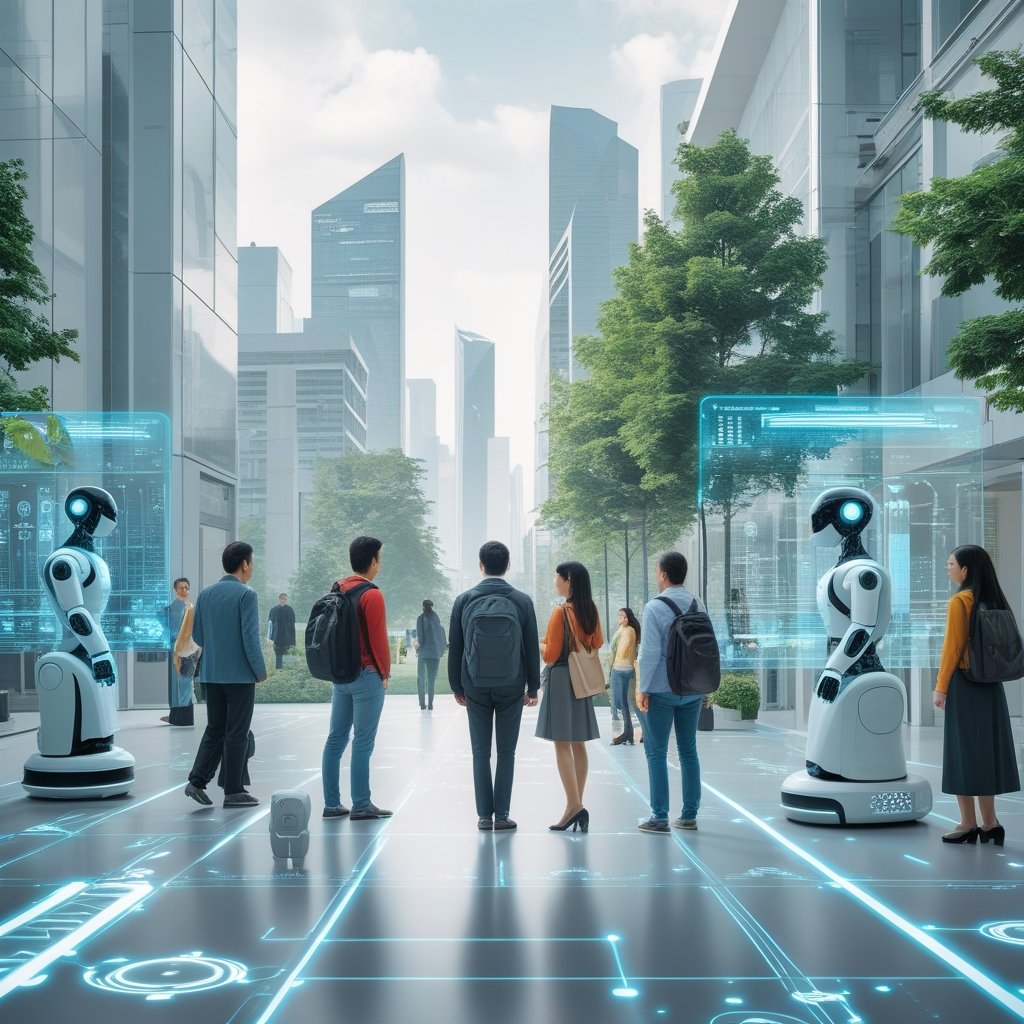
Robots and autonomous systems will become more common in workplaces and cities. They will handle tasks like delivery, cleaning, and maintenance with limited human help.
AI-powered vehicles will improve safety and efficiency in transportation. Autonomous drones may support emergency services and infrastructure inspections.
In factories, intelligent robots will work alongside humans to boost productivity and reduce dangerous jobs. These systems will learn from their environment and adjust in real-time.
Breakthroughs in Natural Language Processing
AI will better understand and generate human language by 2030. This will improve how people interact with machines in customer service, education, and content creation.
Improvements in context awareness will make conversations with AI more natural. AI assistants will remember past interactions and provide personalized responses.
Language models will also support translation and communication across cultures. This will help businesses and people connect globally without language barriers.
Impacts on Society and the Global Economy
Artificial intelligence will create major shifts in jobs, industries, and government rules. It may boost productivity but also bring challenges like job displacement and new ethical questions. Governments and businesses must prepare for rapid changes in the economy and workforce.
Transformation of the Workforce
AI will change many jobs by automating routine tasks. It could affect around 40% of global jobs by 2030, especially in areas like manufacturing, data entry, and customer service. This will create demand for new skills in AI management, programming, and creative problem-solving.
Workers displaced by AI may face challenges finding new roles. Retraining and education programs will be essential to help workers adapt. Some jobs will disappear, while others will evolve or emerge, particularly in tech and service sectors.
AI could also increase productivity, allowing employees to focus on more complex work. However, the risk of inequality may grow if benefits concentrate among those with AI skills or capital.
AI-Driven Industries and Markets
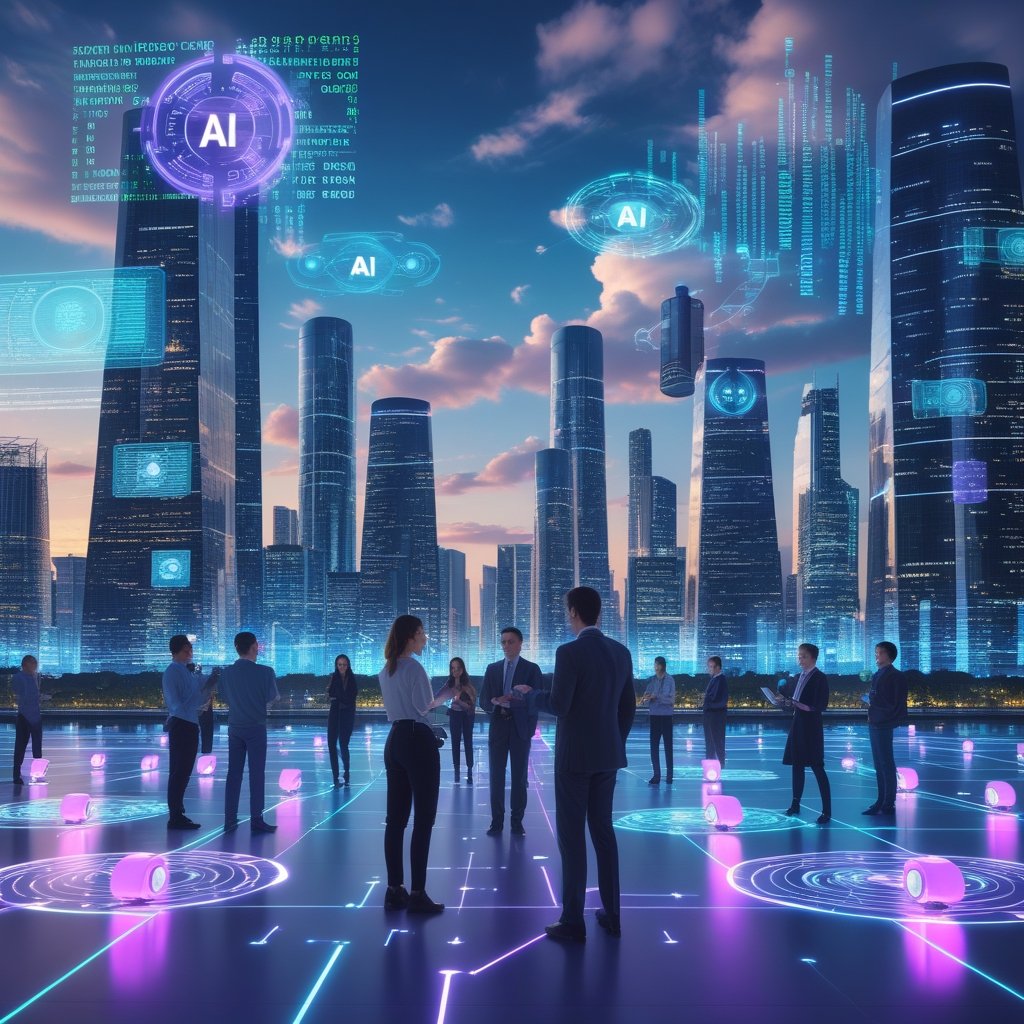
AI will significantly impact industries like healthcare, finance, retail, and manufacturing. It can improve efficiency by speeding up data analysis, personalizing services, and automating production lines.
Healthcare may see faster diagnosis and treatment, while finance will benefit from better fraud detection and automated trading. Retail may use AI for supply chain management and customer experience.
Global AI investment is expected to grow massively, contributing trillions of dollars to the world economy. However, smaller companies and less developed regions might lag, potentially increasing economic divides between countries.
Public Policy and Regulation
Governments face the challenge of regulating AI to maximize benefits and reduce risks. Policies must address job displacement, privacy, bias in AI systems, and ethical use.
Regulation will likely focus on ensuring transparency in AI decision-making and protecting personal data. International cooperation will be important since AI impacts cross borders.
Public policy must also promote fair access to AI technologies to prevent deepening inequality. Continued monitoring and adapting laws will be needed as AI evolves quickly.
Ethical, Privacy, and Security Considerations
Artificial intelligence must be designed and used with care to avoid risks. Safeguarding personal information, preventing bias, and holding developers accountable are key challenges that shape AI’s future.
Responsible AI Development
Responsible AI development means prioritizing fairness, transparency, and safety from the start. Developers need to identify and reduce biases in AI models to prevent unfair results in areas like hiring and healthcare.
Clear communication about how AI systems make decisions is crucial. Openness builds trust and allows users to challenge or understand AI outcomes. Regular testing and updating AI help catch errors and improve performance.
Ethical concerns also include the impact on jobs and society. Developers must consider how AI changes workplaces and avoid unintended harm. Responsible AI aims to balance innovation with human values.
Data Privacy Challenges
AI systems rely on vast amounts of data, often including sensitive personal details. Protecting this data is critical to prevent misuse and breaches.
Users must have control over their information and know how it is collected and used. Companies should adopt strong encryption and minimize data storage to reduce risks.
Privacy laws vary by region, making it harder to ensure consistent protections worldwide. AI developers must navigate these rules carefully and design systems that respect user rights.
Managing data privacy impacts public trust in AI and influences how widely the technology will be accepted.
AI Governance and Accountability
Governance involves creating rules and standards to guide AI’s ethical use. Governments, companies, and organizations share responsibility for setting and enforcing these guidelines.
Accountability means that when AI causes harm, there are clear ways to identify who is responsible. This covers decisions made by AI in sectors like finance, healthcare, and law enforcement.
Soft ethics, or voluntary codes of conduct, help supplement laws but cannot replace legal requirements. Combining ethical principles with regulation improves oversight.
Effective governance requires ongoing collaboration between policymakers, experts, and the public to adapt rules as AI evolves.